
CSR
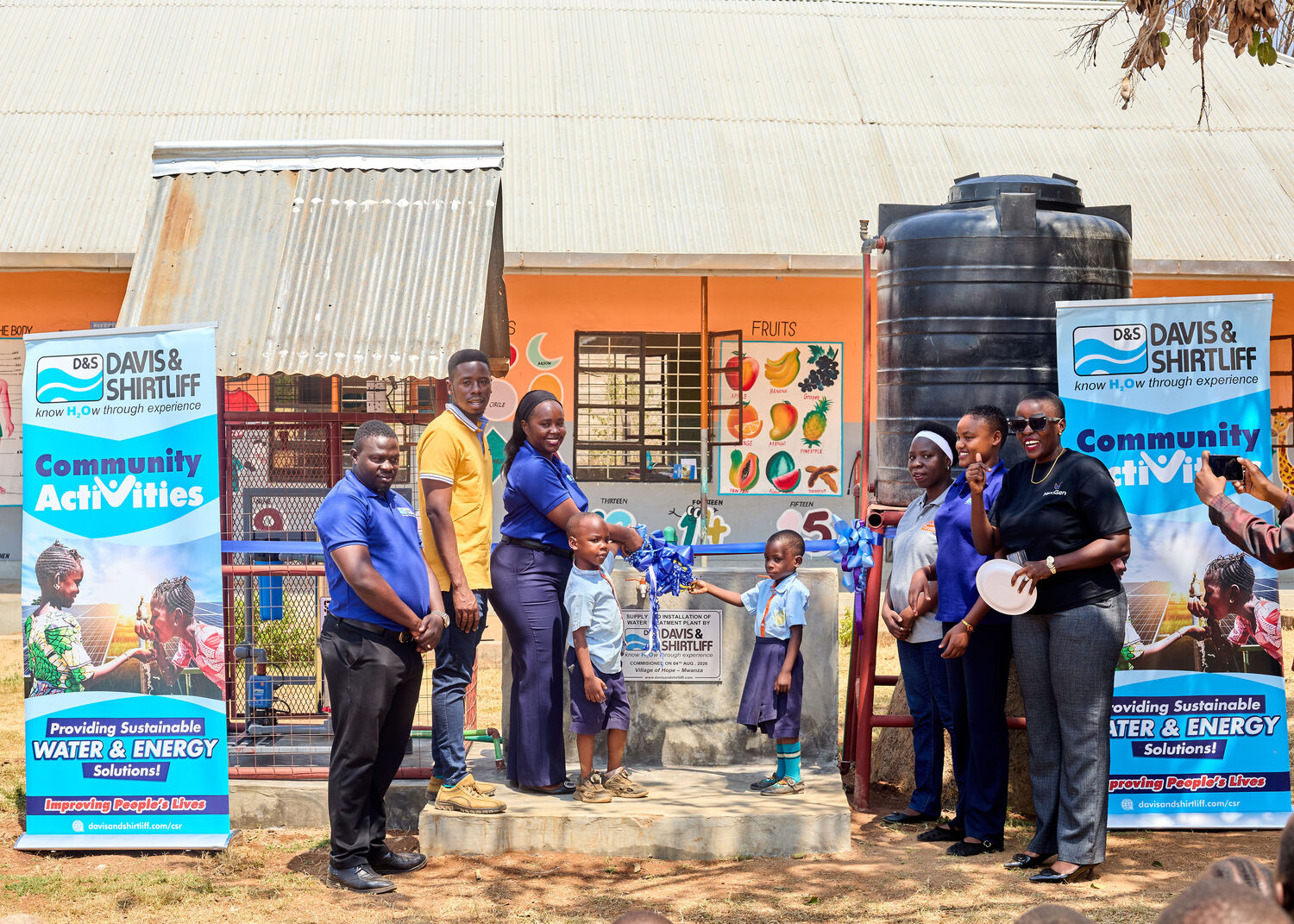
Mwanza, Tanzania, sits within a striking landscape on the southern shores of Lake Victoria, where gently undulating terrain meets rocky hills and distinctive granite outcrops. Amid this remarkable landscape, in Buhongwa, lies Village of Hope, a place supporting children from challenging backgrounds. And here lies an important paradox: being close to one of Africa's great freshwater lakes does not automatically guarantee access to safe drinking water.
- Details
 Beyond the warmth and light that sun brings, it is increasingly becoming a source of energy for solutions that sustain everyday life. At Rayudhi Mixed Secondary and Primary School in Migori County, every drop of water once came with effort. 700 pupils were confronted with the harsh reality of unreliable access to water. A rope and container became their means of reaching the water below, requiring them to repeatedly lower, secure and haul it back up-an arduous routine.
- Details
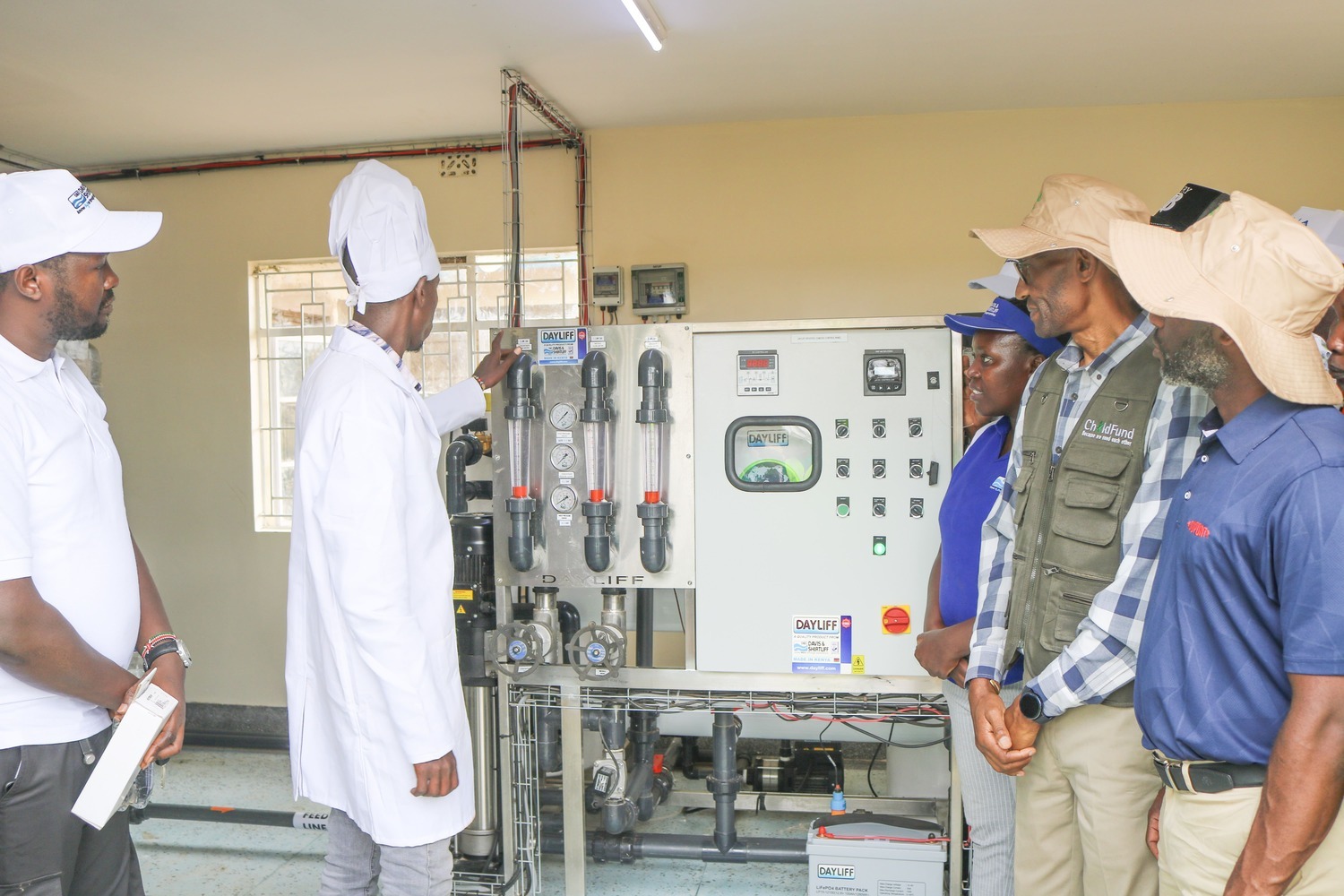
The morning sun rises early over the vast plains of Mosiro in Kajiado West. For generations, the Maasai families who call this place home have learned to live with drought, long walks for water, and the quiet acceptance that the water available to them was never truly safe.
Water was life but it was also a silent threat. Every day, mothers filled jerrycans from boreholes and seasonal rivers, their only option for water. Children drank water with high fluoride levels, leading to stained teeth, brittle bones, and joint pain.
- Details
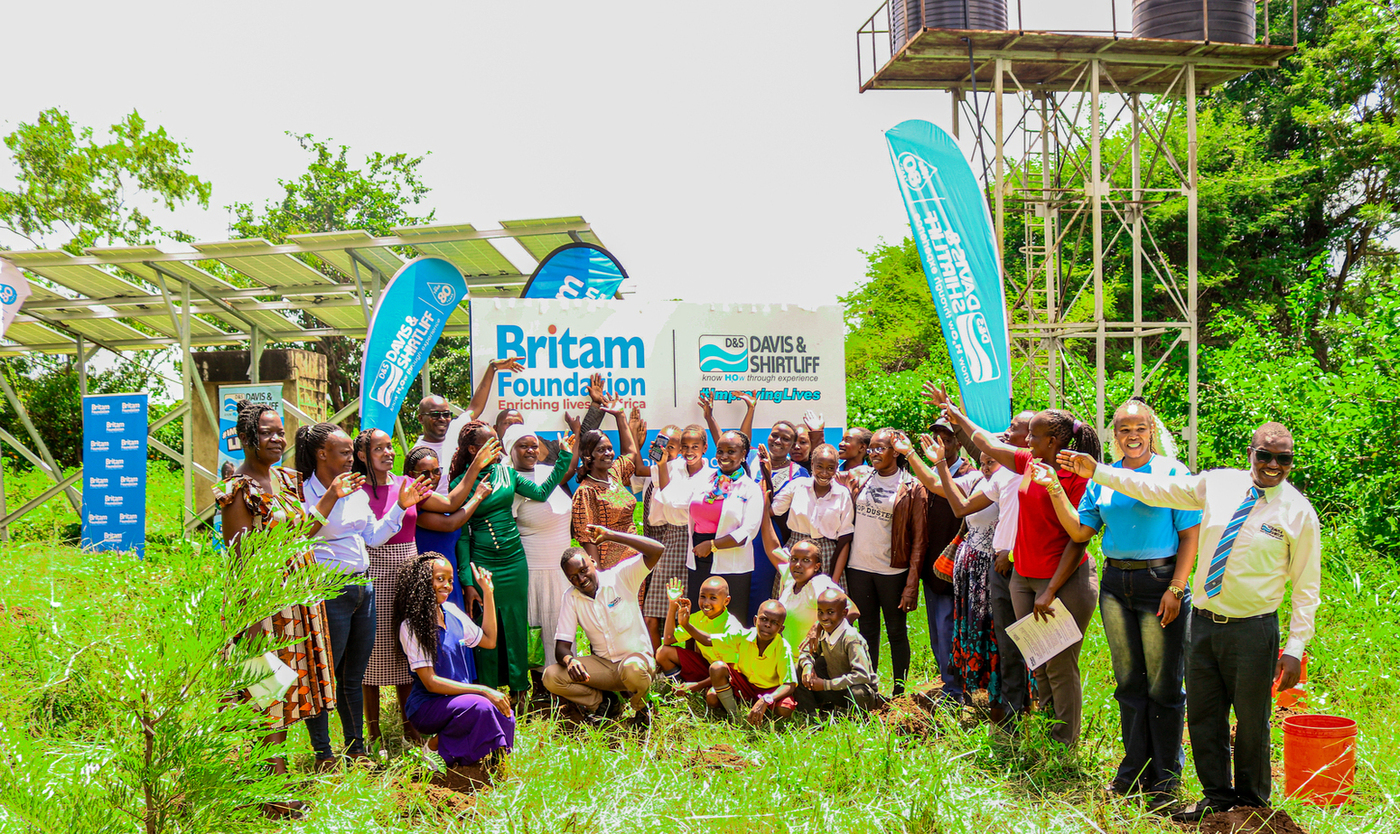 For years, 600 pupils of St. Theresa Primary School in Murang’a County moved through each day carrying an unspoken struggle. Water was not something taken for granted; it was something chased. Donkeys walked long distances to fetch it from distant sources, returning with containers filled with cloudy water that the school had no choice but to accept. It looked like a solution, but in truth it was a fragile hope-one that masked the deeper challenge of inadequate and unsafe water access. Since this approach proved inadequate, pupils were at times asked to bring water from home, further underscoring the severity of the shortage and the strain it placed on families.
- Details
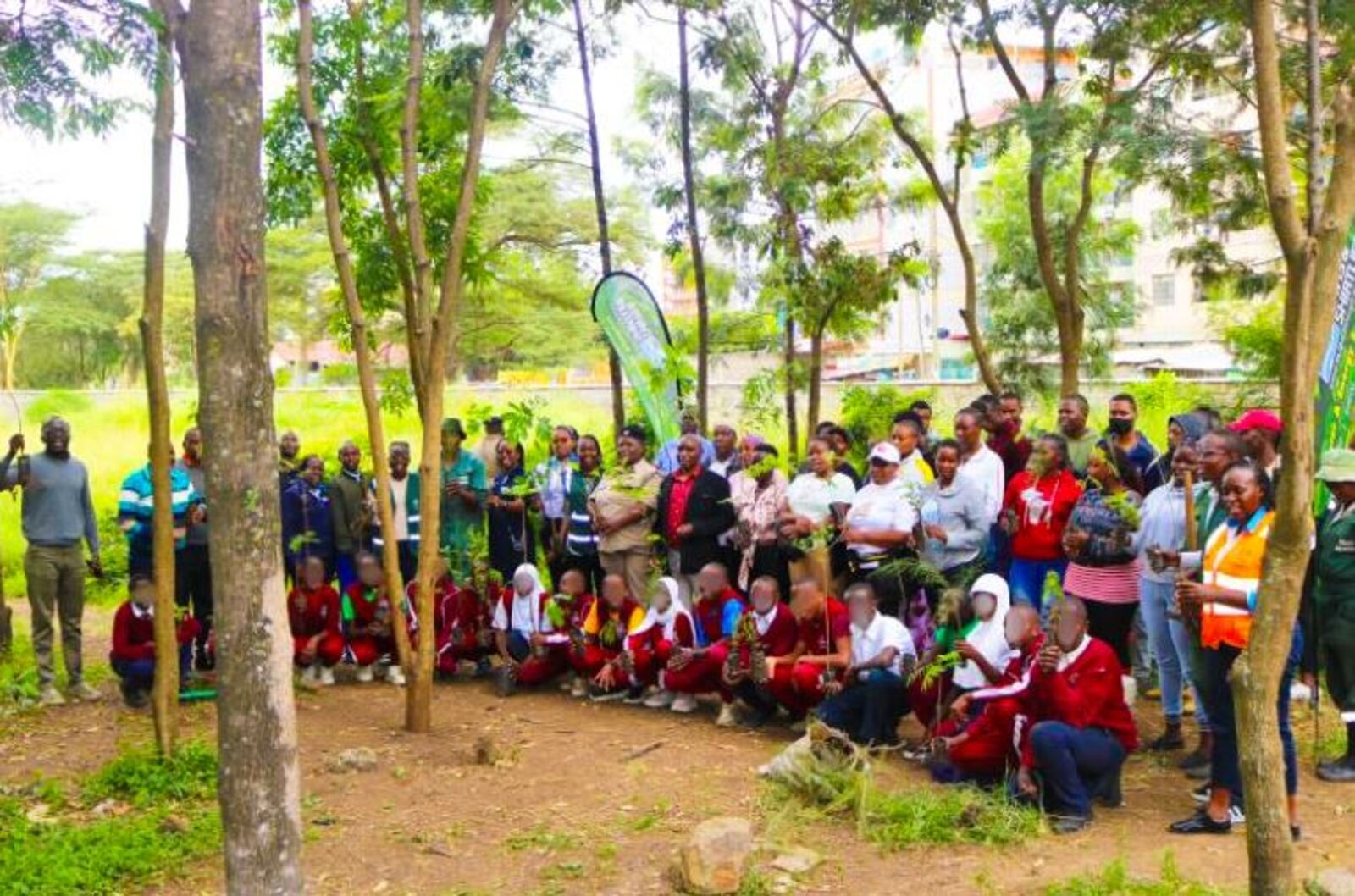 World Environment Day is a global event led by the United Nations Environment Programme (UNEP) and has been celebrated annually on 5th June since 1973. This year's theme, "Inspired by Nature. For Climate. For Our Future," coupled with the broader focus on "A Global Call for Climate Action," underscores the importance of nature-based solutions in addressing climate change and securing a sustainable future.
- Details
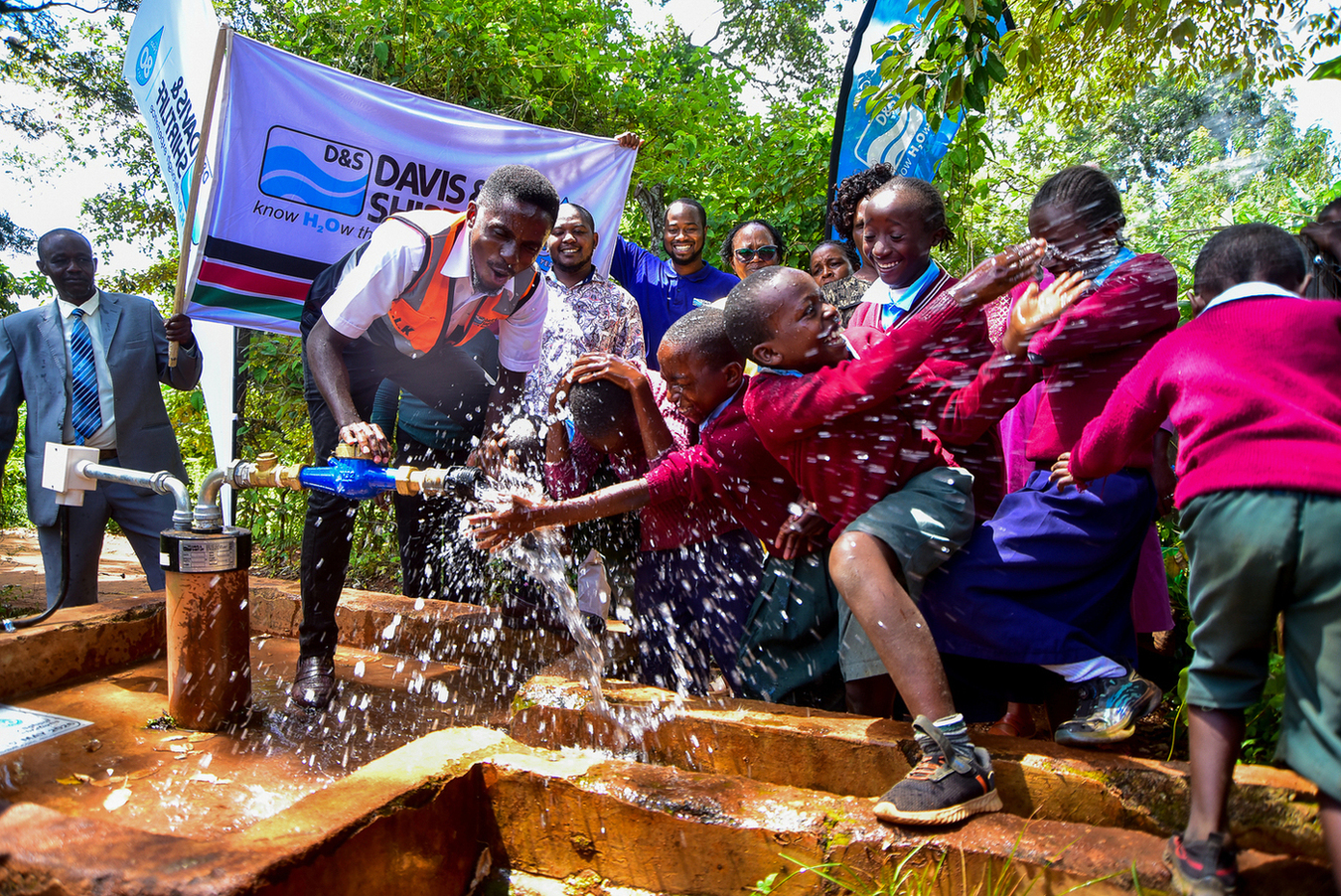 At Kitheini Primary School, mornings often began with the same routine-not lessons, not laughter, but uncertainty. Children would gather around the school's aging hand pump, clutching empty bottles and gazing expectantly, waiting to see if water would flow that day. Some mornings, the hand pump released only a weak trickle after long minutes of effort. Other days, it produced nothing at all. Pupils took turns pushing the heavy handle again and again, hoping the next attempt would bring water.
- Details
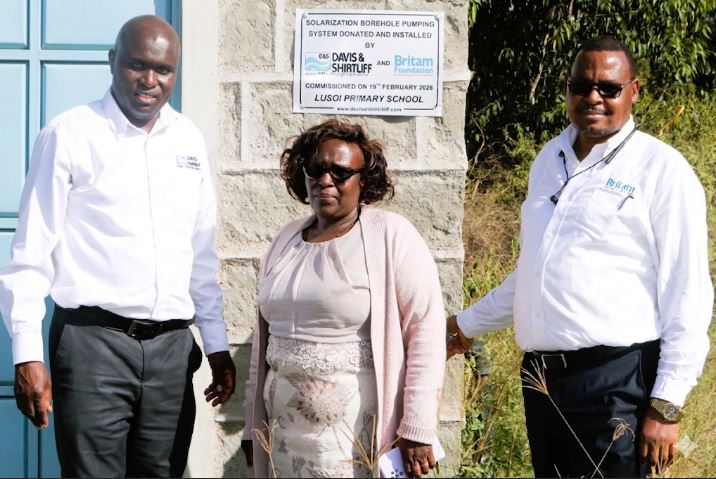
Reliable power is the secret sauce that makes a borehole spring to life. Whether sourced from grid electricity, solar energy, or generators, power is essential for operating water pumps. When this power is unavailable, water access becomes a challenge especially for institutions that relies on electrically powered systems. This was the case for 300 pupils at Lusoi Primary School in Nyeri.
- Details
More Articles ...
- Partnership Delivers Solar-Powered Water Solution in Salgaa
- Marking the World Water Day at Thika School for the Visually Impaired !
- Tapping the untapped: Unlocking Solar Potential in Kathiani School Through Solarizing the Existing Solar Water Pump
- Friends of the Horn of Africa: Installation of a Solar Water Pump at Mandera Islamic Orphanage Centre

Dundori Road, Industrial Area
Nairobi
P.O Box P.O Box 41762 - 00100
Kenya